The Role of Movement in Joint Health
Physical movement is one of the most important factors in maintaining joint health, flexibility, and mobility. Regular activity promotes the production and distribution of synovial fluid, strengthens supporting muscles, and maintains the range of motion in joints.
Synovial Fluid Production
Movement stimulates the production and circulation of synovial fluid—the joint's lubricant and nutrient provider. This viscous fluid reduces friction between cartilage surfaces and delivers essential nutrients to cartilage cells.
When joints are used regularly, synovial fluid production increases and distributes nutrients more effectively. Conversely, prolonged immobility can lead to reduced synovial fluid production and increased joint stiffness.
Muscular Support
Muscles surrounding joints provide critical support and stability. Strong muscles absorb shock, reduce stress on joint structures, and enable proper movement mechanics. Muscle atrophy from inactivity compromises joint stability and can contribute to increased wear on cartilage.
Different types of exercise develop different muscular qualities: strength training builds muscle force production, while endurance activities support aerobic capacity and metabolic health.
Maintaining Range of Motion
Regular movement through a joint's full range of motion maintains flexibility and prevents stiffness. Conversely, joints that are habitually moved through limited ranges can develop restricted mobility.
Flexibility and mobility exercises help maintain the length and elasticity of muscles and connective tissues surrounding joints. Yoga, tai chi, and stretching practices are traditional approaches that emphasize full range of motion.
Impact of Exercise on Weight
Weight-bearing joints (knees, hips, ankles, spine) bear load proportional to body weight. Maintaining appropriate weight through exercise and balanced nutrition reduces mechanical stress on these joints, potentially reducing discomfort and wear.
Exercise supports weight management through calorie expenditure and metabolic effects, while also building muscle mass that supports joint function.
Types of Beneficial Movement
Aerobic Exercise: Walking, swimming, cycling, and other activities that elevate heart rate support cardiovascular health and overall fitness. Water-based exercise is particularly gentle on joints while providing resistance.
Strength Training: Resistance exercises build the muscles that support and stabilize joints. This can be accomplished through weight training, resistance bands, or bodyweight exercises.
Flexibility Training: Stretching, yoga, and tai chi maintain and improve range of motion. These practices also emphasize body awareness and controlled movement.
Functional Movement: Activities that mimic real-world movement patterns—walking, climbing stairs, reaching, bending—maintain practical mobility and independence.
Physical Activity Guidelines
General wellness guidelines typically recommend at least 150 minutes of moderate-intensity aerobic activity per week, combined with muscle-strengthening activities. However, optimal activity levels vary based on individual health status, age, and fitness level.
Importantly, "no pain, no gain" is not a sound principle for joint health. Exercise should be challenging enough to produce adaptation but not so intense as to cause pain. Pain is a signal that movement may be excessive or inappropriate.
Movement and Rest Balance
While movement is essential for joint health, appropriate rest and recovery are equally important. Rest periods allow for tissue adaptation and recovery from exercise stress. Sleep quality also affects tissue healing and inflammation management.
A balanced approach combines regular movement with adequate recovery time, particularly after intense or unfamiliar activities.
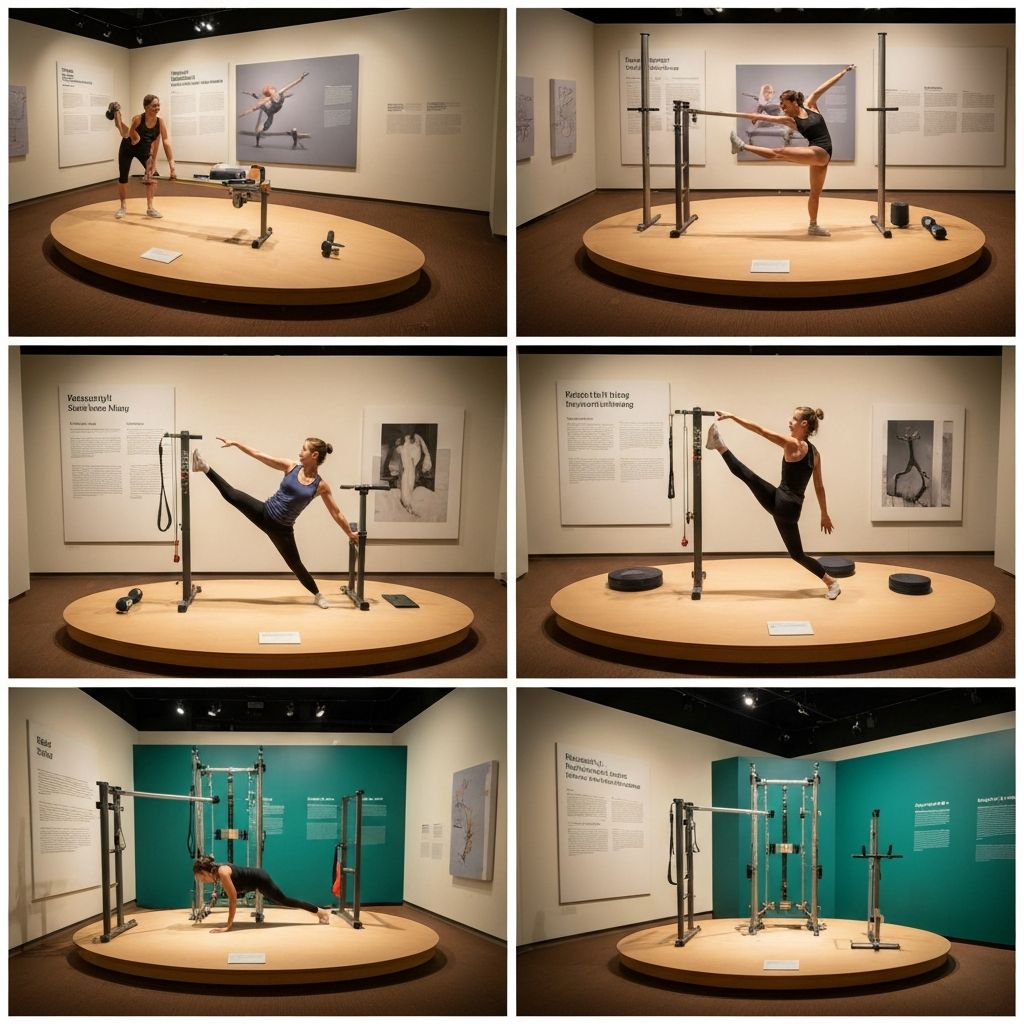
Movement Benefits
- Increases synovial fluid production
- Strengthens supporting muscles
- Maintains range of motion
- Reduces mechanical joint stress
- Supports weight management
- Improves overall cardiovascular health